
Guide
How to paint or stain a shed
Wood sheds are usually stained rather than painted, since stain like Ready Seal exterior wood stain and sealer at $34.79 soaks into the grain and will not peel the way paint eventually does. Metal sheds need a bonding primer such as Zinsser Bulls Eye 1-2-3 primer at $28.78 before any topcoat. Resin sheds generally should not be painted at all; check the manufacturer's warranty before doing it anyway.
Step by step
- Clean and dry the surface fully. Wash off dirt, mildew and old flaking finish, then let the shed dry completely, often 24 to 48 hours, before applying anything.
- Sand or scrape any peeling paint on wood. Old paint that is chipping will telegraph through a new coat and keep failing; get down to sound wood or a firmly bonded old finish first.
- Prime bare wood or any metal surface. Bare wood soaks up stain unevenly without at least a spot primer on repaired areas, and metal needs a bonding primer for paint to grip at all.
- Apply stain or paint in thin, even coats. Two thin coats look better and last longer than one thick coat, which tends to run, sag or dry unevenly, especially on vertical siding.
- Let each coat cure fully before the next. Rushing a second coat over a tacky first coat traps solvent underneath and causes peeling much sooner than expected.
Should I paint or stain a wood shed?
Stain is generally the better choice for wood shed siding, because it penetrates the wood grain rather than sitting on top of it as a film. That matters outdoors: paint film eventually cracks and peels as the wood underneath expands and contracts with humidity and temperature, while a penetrating stain wears down more gradually and does not flake off in sheets. Solid color stains, which sit closer to paint on the spectrum, split the difference: more opaque coverage than a semi-transparent stain, but still less prone to peeling than true paint.
What finish works on a metal shed?
Metal sheds need paint rated for metal or exterior multi-surface use, applied over a bonding primer if the factory finish is glossy or worn. Skipping the primer is the most common reason paint fails on metal within a season, since paint alone often cannot grip a smooth painted or galvanized surface on its own.
Can I paint a resin shed?
Most resin shed manufacturers do not recommend painting the panels, and doing so can void the warranty since resin flexes with temperature in a way paint film does not, leading to cracking and peeling faster than on wood or metal. If you want a resin shed's color changed, check the manufacturer's specific guidance first rather than assuming standard exterior paint will hold.
How much paint or stain do I need?
| Shed size | Approx. wall area to cover (both coats) | Typical gallons needed |
|---|---|---|
| 6x8 shed | About 220 to 260 sq ft | 1 gallon |
| 8x10 shed | About 300 to 340 sq ft | 1 to 2 gallons |
| 10x12 shed | About 370 to 420 sq ft | 2 gallons |
| 10x16 shed | About 460 to 520 sq ft | 2 to 3 gallons |
These are rough estimates for two coats on typical wall height; check the shed paint calculator for a number based on your exact dimensions, and always check the coverage rate printed on your specific can, since it varies by product and surface.
What you need to paint or stain a shed


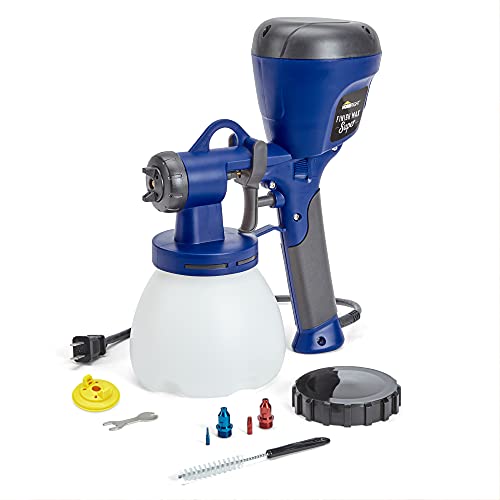
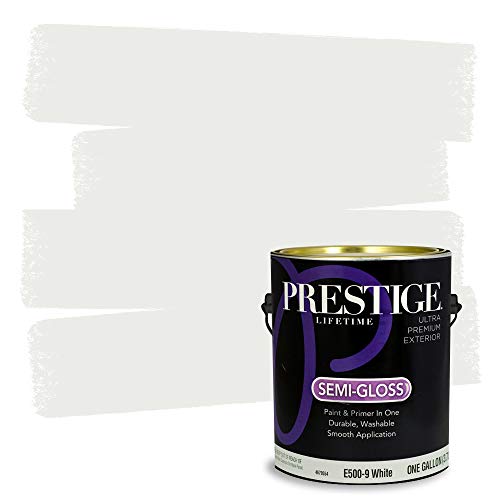
Prices change often; the button shows today's price on Amazon.
Brush, roller or sprayer: which applies stain or paint fastest?
A sprayer, like an HVLP unit, covers a shed's exterior far faster than brush or roller work and gets into board gaps and trim more evenly, but it uses more material through overspray and needs masking around windows, vents and hardware. A roller with a brush for trim and corners is slower but uses less product and needs less setup, which suits a smaller shed better than the extra prep a sprayer demands.
How often does a shed need to be repainted or restained?
Solid color stains and paint on wood typically need a fresh coat every 3 to 5 years, while semi-transparent penetrating stains often need reapplication sooner, every 2 to 4 years, since they wear more gradually and show fading before they fail outright. Metal shed paint tends to hold longer, often 5 or more years, if the primer step was done correctly at the start. Sun-facing walls fade faster than shaded ones and may need attention on their own schedule.
What surface prep actually matters most?
Clean and fully dry surfaces make more difference than the specific brand of paint or stain used on top. Mildew, dirt or moisture trapped under a new coat causes early failure regardless of product quality, and rushing dry time between wash and application is one of the most common mistakes on a weekend project.
How we chose these products
Nothing here was applied or tested in person. These recommendations come from manufacturer-published coverage rates, recommended surfaces, and recurring themes in verified owner reviews about drying time and peel resistance, not hands-on trials on our part. Confirm your shed's specific material and any manufacturer finishing guidance before choosing a product.
Frequently asked questions
Do I need to prime before staining a wood shed?
Usually not for penetrating oil-based stains on bare wood, since they are designed to soak in without a primer step. Solid color stains and any paint, though, generally do need a primer, especially over repaired areas or bare wood patches, to get even coverage and better adhesion.
Can I paint over an old peeling finish without scraping it first?
You can, but the new coat will usually fail where the old finish is already lifting, since it has nothing solid underneath to bond to. Scraping loose material and feathering the edge of sound paint gives a far longer-lasting result than painting straight over flaking areas.
How long should a shed dry before painting after it rains?
Most manufacturers recommend at least 24 to 48 hours of dry weather before applying stain or paint, longer in humid climates or on wood that soaked up a lot of water. Painting over damp wood traps moisture under the finish and is one of the fastest ways to cause early peeling.
What is the difference between a stain and a sealer?
A sealer is primarily about blocking moisture and often has little to no color, while a stain adds color, sometimes with a sealer built in as a combined product. Many exterior wood products sold for sheds combine both jobs in one can, labeled as a stain and sealer, which covers most sheds without needing a separate step.
Is it worth painting a metal shed a lighter color for heat?
Lighter colors reflect more sunlight and can keep the interior of a metal shed noticeably cooler than a dark color on hot, sun-facing walls, which matters if you store anything heat-sensitive inside. This is a real but secondary factor compared to ventilation, covered separately in the shed ventilation guide, for actual temperature control.
This page is researched guidance, not professional engineering, legal or building-code advice. Sizes, loads and permit rules vary by product and by town: check your local code and the kit manufacturer's instructions before you build.