Guide
How to build a gravel pad for a shed
Dig out an area 1 ft wider than the shed on every side, 4 in deep (6 in on soft or wet soil), then fill and compact 3/4 in crushed stone. An 8x10 shed needs a 10x12 pad, about 1.63 cubic yards or 2.3 tons of stone once you order the usual 10% extra for compaction.
Step by step
- Call 811 before you dig. Call 811 (or use the online request in your state) a few business days before digging anywhere on your property. It is free and it is the only way to know where buried gas, electric and irrigation lines run before a shovel or auger hits one.
- Mark and measure the pad. Add 1 ft to every side of your shed's footprint. An 8x10 shed needs a 10x12 pad; a 10x12 shed needs a 12x14 pad. Stake the corners and run a string line so the excavation stays square.
- Strip sod and topsoil. Remove grass, roots and topsoil across the full marked area. Skipping this step is the most common reason gravel pads settle unevenly within a season, since organic material underneath keeps decomposing.
- Excavate to depth. Dig 4 in deep for average, well-draining soil, or 6 in deep if the ground is soft, sandy, or holds water after rain. Depth is not optional here: shallow gravel over a wet subgrade is the top cause of a shed door that will not close a year later.
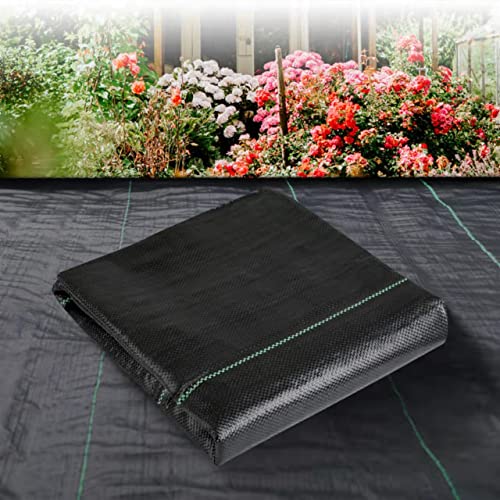
- Lay landscape fabric. Roll out weed barrier fabric across the excavated area before adding stone. This keeps gravel from working its way into the soil below and stops weeds from pushing up through the pad.
- Add a ground grid if the soil is soft. On sandy or clay soil, a permeable ground grid under the stone spreads the shed's weight and stops the gravel from spreading or rutting over time. It is optional on firm, well-drained soil.
- Fill with crushed stone and compact. Spread 3/4 in crushed stone in 2 in lifts, compacting each layer with a hand tamper (or a plate compactor for larger pads) before adding the next. Compact the final surface flat and check it with a level.
How big should the gravel pad be?
Standard practice is the shed footprint plus 1 ft of overhang on every side, which gives water somewhere to drip off the roof without pooling right against the shed wall, and gives you a stable edge to stand on while working. The gravel pad calculator runs this math for any size.
Gravel tonnage by shed size
| Shed size | Pad size | Stone volume | Approx. weight |
|---|---|---|---|
| 8x10 ft | 10x12 ft | 1.63 cu yd | 2.3 tons |
| 10x12 ft | 12x14 ft | 2.28 cu yd | 3.2 tons |
These figures assume 3/4 in crushed stone at about 1.4 tons per cubic yard and a 4 in depth, with 10% added for compaction loss. Order the extra 10% up front; running a delivery short by a few hundred pounds costs more in a second delivery fee than the extra stone would have.
Why 4 in deep, and when to go to 6 in
4 in of compacted crushed stone is enough for a well-draining, average soil to carry a shed's weight without settling. Soft, sandy or consistently wet ground needs 6 in instead, since the extra depth spreads the load over a wider area of subgrade and keeps water moving through the stone instead of pooling under the floor.
If you are unsure which category your soil falls into, dig a test hole a day after a hard rain. Standing water at 4 in down means plan for 6 in.
Do I need landscape fabric under the gravel?
- It stops soil and stone from mixing together over time, which keeps the pad from turning into mud at the edges.
- It blocks most weed growth from pushing up through the stone.
- It is cheap relative to the stone and labor above it, so there is little reason to skip it.
What you need for a gravel pad


Prices change often; the button shows today's price on Amazon.
Ground grid or plain compacted gravel?
A permeable ground grid (a honeycomb plastic panel laid under the stone) is worth adding on soft, sandy or clay soil, or under anything on wheels like a ramp approach, because it locks the stone in place and spreads the shed's point loads instead of letting gravel migrate sideways under weight. On firm, already well-drained soil it is optional; compacted stone alone performs fine.
See pavers vs gravel shed base and gravel vs concrete for how a gravel pad compares to the alternatives.
How we worked out these numbers
These figures come from published aggregate density (about 1.4 tons per cubic yard for 3/4 in crushed stone), standard compaction allowances, and manufacturer shed footprint specifications, not from building a pad in person. Local stone density can vary slightly by supplier, so confirm tonnage with your gravel yard before ordering for anything larger than 10x12.
Common mistakes
- Skipping the overhang. A pad cut exactly to the shed footprint leaves no edge to stand on and no runoff path.
- Not compacting in lifts. Dumping the full depth of stone and compacting once leaves the bottom loose.
- Ignoring soil type. A 4 in pad on soft or wet soil is the single most common cause of a shed that settles unevenly.
- Building on a slope without checking level. See the leveling guide before you excavate on any grade.
- Ordering stone without the compaction buffer. A delivery that comes up short by even a few hundred pounds means a second delivery fee that usually costs more than the extra 10% would have.
Tools that make the job faster
A steel hand tamper with a long handle, such as STARREY's 8x8 in tamper (around $26.99), is enough for most single-shed pads up to around 10x14 without renting a plate compactor. Weed barrier fabric, like LGJIAOJIAO's 3x50 ft roll (around $13.66), covers a typical 10x12 pad with some overlap to spare; buy slightly more than the bare pad dimensions so the fabric can run a few inches up the excavation sides.
On soft or sandy soil, adding a permeable ground grid, such as Sumloty's 4x33 ft gravel grid (around $31.99), under the stone spreads the shed's point loads and keeps the gravel from migrating sideways under repeated weight, particularly at door thresholds where foot traffic concentrates.
Frequently asked questions
How deep should a gravel pad be for a shed?
Plan on 4 in of compacted 3/4 in crushed stone for average, well-draining soil. Go to 6 in on soft, sandy or consistently wet soil, since the added depth spreads the shed's weight further and keeps water from pooling under the floor. Depth matters more than most other choices in the build.
How much gravel does an 8x10 shed pad need?
An 8x10 shed needs a 10x12 pad (1 ft overhang on every side) at 4 in deep, which works out to about 1.63 cubic yards, or roughly 2.3 tons of 3/4 in crushed stone once you include the usual 10% extra ordered for compaction loss.
Do I need landscape fabric under a shed gravel pad?
Yes, it is standard practice. Fabric keeps the crushed stone from working its way into the soil below over time and blocks most weeds from growing up through the pad. It is inexpensive relative to the stone and labor involved, so there is little reason to skip it.
Can I skip the gravel pad and put a shed straight on dirt?
You can, but the shed floor will sit directly on whatever the soil does: it will hold moisture against the floor, shift with freeze-thaw cycles, and settle unevenly within a season or two. A compacted gravel pad is the cheapest of the common foundation options and solves all three problems.
Do I need to call 811 before digging a shed pad?
Yes, always, even for a shallow 4 to 6 in excavation. Buried gas, electric and irrigation lines can sit closer to the surface than people expect, and the 811 call is free. Schedule it a few business days before your planned dig date.
This page is researched guidance, not professional engineering, legal or building-code advice. Sizes, loads and permit rules vary by product and by town: check your local code and the kit manufacturer's instructions before you build.