
Guide
How to light a shed with no electricity
You can light a shed with no wiring at all using a solar pendant light like the INXPHY 1200LM solar shed light at $21.86, which charges through a small panel mounted on the roof or above the door and turns on by motion, remote or pull cord. Battery ceiling lights work as a backup or for sheds with too little roof sun to charge solar reliably.
Step by step
- Decide your trigger: motion, pull cord or remote. Motion sensor lights are best at the door; pull-cord or remote lights suit a workbench where you want light to stay on while you work.
- Check how much sun the shed roof actually gets. Solar panels need several hours of direct sun; a shed shaded most of the day will undercharge and dim fast after sunset.
- Mount the solar panel separately if the roof is shaded. Most solar shed lights include a panel on a cord, so it can be run to a sunnier spot on the roof or a nearby fence post.
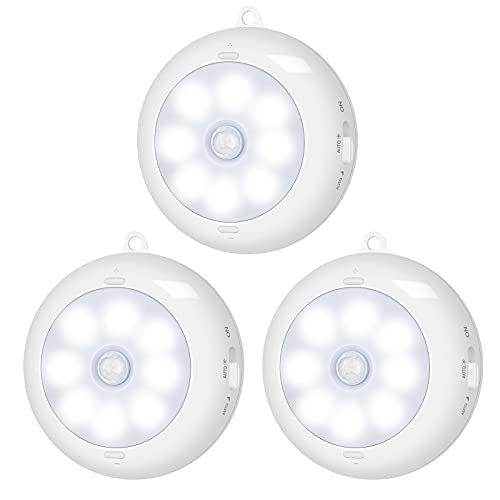
- Add a battery light as backup or for a windowless corner. A motion-activated battery ceiling light covers spots a solar panel cannot reach, like a covered porch-style shed entry.
- Test brightness at the workbench, not just at the door. A single ceiling-mounted light often leaves a workbench dim; add a second head or a pull-string fixture directly over it.
Do I need an electrician to light my shed?
Not if you go solar or battery. Running actual wiring to a detached shed for permanent electrical lighting is an electrical job that needs a permit in essentially every jurisdiction (see the permits and setbacks guide), plus conduit, a disconnect and often a dedicated circuit. Solar and battery fixtures skip all of that because nothing is tied into your home's electrical system.
The tradeoff is total output: solar and battery lights are dimmer than hardwired shed lighting and depend on sun exposure or battery changes, but for most storage sheds they are more than enough to find a tool or check on equipment.
Solar vs. battery: which type of shed light is better?
| Solar shed light | Battery shed light | |
|---|---|---|
| Ongoing cost | None after purchase | Batteries every few months to a year |
| Needs sun exposure | Yes, several hours daily | No |
| Best location | Roof or wall with direct sun most of the day | Any interior spot, including windowless corners |
| Typical brightness | Higher on multi-head models, 1,000 to 3,000+ lumens | Lower, usually a few hundred lumens |
| Winter performance | Weaker with less daylight and lower sun angle | Unaffected by season |
How bright a light does a shed actually need?
For finding tools and walking safely to the door, a light in the 200 to 400 lumen range is usually enough. For an actual workbench where you want to read labels or do fine work, look toward 1,000 lumens or more, or add a second fixture directly over the bench. Solar pendant lights with multiple heads scale into this higher range more easily than single battery ceiling lights.
Motion sensor, pull cord or remote: which trigger fits my use?
- Motion sensor, best at a door or entry, since it lights automatically as you walk in with your hands full.
- Pull cord, best over a workbench where you want light to stay on the whole time you are working, not shut off mid-task.
- Remote control, useful for a light mounted high or in a spot you cannot reach easily, or for turning off a pull-cord-style fixture from across the shed.
Several solar shed lights on the market now combine all three, defaulting to motion but allowing a manual override, which covers the most use cases in one fixture.
What you need to light a shed without power



Prices change often; the button shows today's price on Amazon.
Where should the solar panel go on a shed with limited sun?
Most solar shed lights separate the light head from the solar panel with a cord several feet long specifically so the panel can be placed where the sun actually reaches, even if that is not directly above the fixture. On a shed tucked under trees, running the panel to the sunniest corner of the roof, or even a nearby fence post, usually solves weak charging better than swapping the whole fixture.
What about a windowless shed corner or a walk-in closet-style shed?
Battery-powered closet-style ceiling lights, the kind sold for indoor closets, work well in a shed corner with no window and poor solar exposure. They mount with adhesive or screws, need no panel, and run on standard batteries, trading brightness and runtime for reliability regardless of weather or season.
How we chose these lighting picks
Nothing in this guide was installed or tested in person. These recommendations are based on manufacturer-published lumen output, IP water resistance ratings, and recurring patterns in verified owner reviews about charging performance and motion sensor range. Actual brightness and runtime will vary with your shed's sun exposure, climate and how often the light is triggered.
Frequently asked questions
Can solar shed lights work through winter?
They keep working but with reduced output, since shorter days and a lower sun angle mean less charging time. A solar light that runs all night through summer may only manage a few hours through the darkest part of winter. Pairing a solar light with a battery backup light covers the gap in low-sun months.
Do I need a permit to add solar or battery lighting to a shed?
No. Permits are triggered by actual electrical work, wiring a shed into your household power. Solar and battery fixtures are self-contained and do not touch your electrical system, so they fall outside typical electrical permit requirements. Confirm with your local building department if you are unsure.
How long do solar shed lights last at night?
It depends on the battery capacity and how much sun the panel got that day, but most quality solar shed lights run 6 to 10 hours on a full charge with motion activation, longer if the light only triggers occasionally rather than staying on continuously.
Is one light enough for a whole shed?
For a small shed, often yes, especially a multi-head solar fixture near the center of the ceiling. Larger sheds, or ones with a dedicated workbench area, usually benefit from two fixtures: one general light near the door and one focused light over the bench.
Will a solar panel work if it is mounted on the shed wall instead of the roof?
Yes, as long as that wall gets several hours of direct sun. A south-facing wall (or the sunniest wall on your property) often outperforms a shaded roof. Most solar shed light kits include enough panel cord length to test a couple of mounting spots before committing to one.
This page is researched guidance, not professional engineering, legal or building-code advice. Sizes, loads and permit rules vary by product and by town: check your local code and the kit manufacturer's instructions before you build.