Foundation · 32 sq ft shed
4x8 shed foundation: how much gravel, concrete or pavers?
A 4x8 shed needs a 6 x 10 ft gravel pad (1 ft border), which is 1.1 tons of crushed stone at 4 in deep or 1.7 tons at 6 in. A 4 in concrete slab takes 0.43 cubic yards, or 20 bags of 80 lb mix; a paver base takes 19 pavers at 16 in.
For a shed this small, a plastic grid foundation kit or a 4 in gravel pad is plenty; a concrete slab is overkill unless the shed sits on an existing patio. Every quantity below is computed for a 4 x 8 ft footprint. Change any assumption in the shed foundation calculator.
How much gravel for a 4x8 shed pad?
Crushed 3/4 in stone at about 1.4 tons per cubic yard, plus 10 percent for compaction. The border is how far the pad extends past the shed on each side.
| Border | Pad size | 4 in deep | 6 in deep |
|---|---|---|---|
| None (flush) | 4 x 8 ft | 0.43 yd³ / 0.6 t | 0.65 yd³ / 0.9 t |
| 1 ft (recommended) | 6 x 10 ft | 0.81 yd³ / 1.1 t | 1.22 yd³ / 1.7 t |
| 2 ft | 8 x 12 ft | 1.30 yd³ / 1.8 t | 1.96 yd³ / 2.7 t |
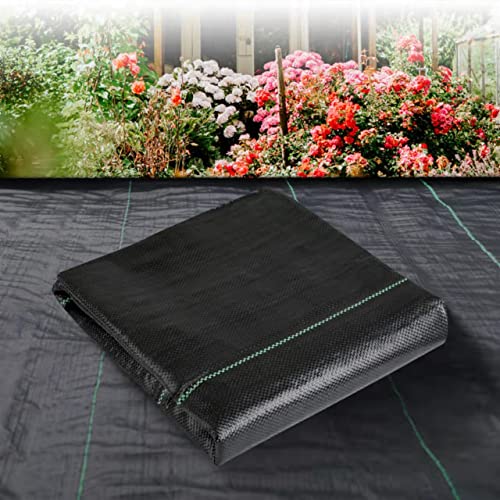
Frame it with 32 linear ft of treated 4x6 or 6x6 timber, and lay about 66 sq ft of weed fabric (10 percent overlap) under the stone. See how to build a gravel shed pad for the order of work.
How much concrete for a 4x8 shed slab?
| Thickness | Cubic yards | 80 lb bags | 60 lb bags |
|---|---|---|---|
| 4 in | 0.43 | 20 | 27 |
| 6 in | 0.65 | 30 | 40 |
Includes 10 percent waste. 20 bags is a long but manageable day with a rented mixer. Slabs also need a compacted gravel sub-base and, in most towns, a permit or inspection once they pass a size threshold.
How many pavers or blocks for a 4x8 shed?
| Base | Quantity | Notes |
|---|---|---|
| 16 x 16 in pavers | 19 | over 4 in gravel and 1 in sand, 5% spare |
| 12 x 12 in pavers | 34 | same base, more joints to level |
| Concrete deck blocks | 6 | 2 runners, a block at each end and every 4 ft or less |
| Anchors | 4 | corners plus one per 6 to 8 ft of long wall |
What does a 4x8 shed foundation cost?
Material only, at $45 per ton of stone, $6.50 per 80 lb bag and $4 per 16 in paver. Local prices vary a lot, and delivery minimums often matter more than the per-ton price.
| Foundation | Materials |
|---|---|
| 4 in gravel pad (1 ft border) | $51 |
| 4 in concrete slab (bagged) | $130 |
| 16 in pavers on gravel and sand | $109 |
Foundation gear for a 4x8
Grid kits, weed fabric and the tools that make a pad flat.


Prices change often; the button shows today's price on Amazon.
Do you need a permit for the foundation?
The shed itself is exempt by size under all three common thresholds. Concrete slabs sometimes trigger their own review even when the shed does not, and utility lines matter before any digging: call 811 a few days before you excavate or drive long anchors. Check your local code.
Anchor it the day you finish
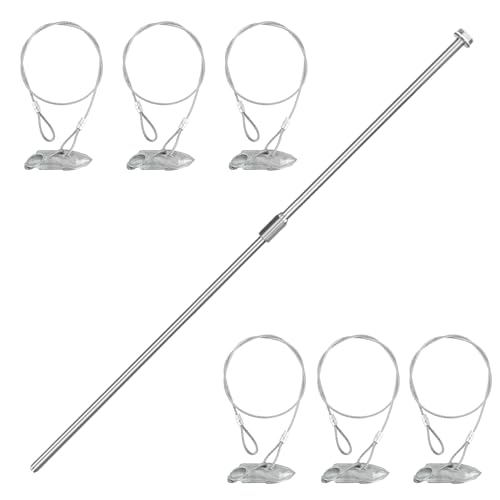
About 4 anchors for this footprint.



Prices change often; the button shows today's price on Amazon.
Frequently asked questions
How many bags of concrete for a 4x8 shed slab?
A 4 in slab for a 4x8 shed is 0.43 cubic yards including 10 percent waste. An 80 lb bag yields about 0.6 cu ft, so that is 20 bags of 80 lb mix, or 27 bags of 60 lb. At 6 in thick it rises to 30 bags. Above about 60 bags, ordering ready-mix is usually cheaper and much less work than mixing by hand.
How big should a gravel pad be for a 4x8 shed?
Make the pad 1 ft larger than the shed on every side, so 6 x 10 ft for a 4x8. The border catches roof drip, keeps splash off the walls and gives you a level surface to stand on while assembling. Some kit manuals ask for 2 ft; at a 2 ft border the pad is 8 x 12 ft and takes 1.8 tons at 4 in.
How deep should gravel be under a 4x8 shed?
Four inches of compacted 3/4 in crushed stone is standard on firm, well-drained soil: 1.1 tons for this size. On clay, soft or wet ground go to 6 in (1.7 tons) and compact in two lifts. Pea gravel rolls underfoot and does not lock together, so avoid it for the structural layer.
How many anchors does a 4x8 shed need?
At minimum, one anchor at each of the four corners. Along the 8 ft walls, add one for every 6 to 8 ft of length, which gives about 4 anchors for a 4x8 in a typical yard, more in open or coastal sites. Use earth auger anchors on gravel or soil and wedge anchors into a concrete slab, and follow the kit's own anchoring instructions.
This page is researched guidance, not professional engineering, legal or building-code advice. Sizes, loads and permit rules vary by product and by town: check your local code and the kit manufacturer's instructions before you build.